
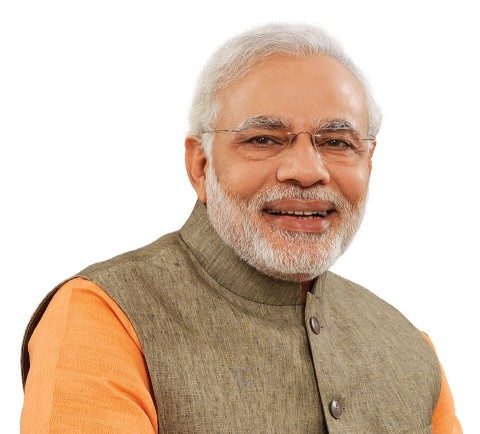
In a significant move aimed at addressing India’s pressing challenges, Prime Minister Narendra Modi laid out three pivotal directives to Union ministers during a comprehensive meeting, which spanned over four hours. The discussions centered on governance reforms, energy security, and India’s strategic development goals, amidst economic strains stemming from the ongoing US-Iran tensions.
One of the Prime Minister’s key instructions was to enhance the speed of governance by reducing bureaucratic delays. Modi stressed the importance of expediting decision-making processes to prevent government files from getting caught in protracted procedures. He advocated for the implementation of simpler and more transparent systems to improve citizens’ “ease of living.” Additionally, he encouraged ministries to expedite the execution of central government schemes, particularly in states where progress is lagging.
Energy security emerged as a focal point of the meeting, given the escalating tensions in West Asia that threaten global fuel supplies. With India’s heavy reliance on energy imports that pass through the Strait of Hormuz, Modi urged ministers to brace for potential disruptions in crude oil, gas, and fertilizer imports. Highlighting the need for diversification, he pushed for the expansion of alternative energy sources like renewable energy and biogas to decrease dependence on imported fuels. The rising global crude prices have already led to increases in petrol, diesel, and LPG prices, prompting the government to adopt austerity measures and fiscal discipline to mitigate the economic impact.
Another major emphasis of the meeting was the vision of “Viksit Bharat 2047,” which Modi reiterated should be seen as a long-term national mission to transform India into a developed nation by 2047, rather than merely a slogan. He called on ministers to focus on next-generation reforms and enhance the delivery of welfare programs to maximize their benefits for citizens. The meeting featured presentations from External Affairs Minister S. Jaishankar, Cabinet Secretary T. V. Somanathan, and NITI Aayog member Rajiv Gauba, who discussed governance, foreign policy, and the implementation of flagship schemes.
This high-level meeting took place against a backdrop of rising political pressure due to inflation, fuel prices, and the broader economic effects of instability in West Asia, underscoring the urgency of the directives issued by Prime Minister Modi.