
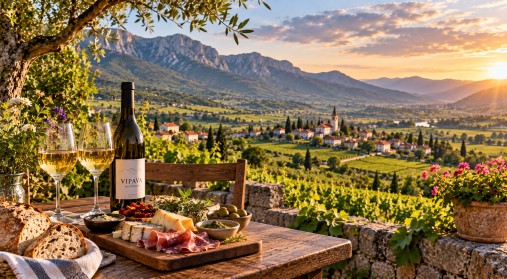
Nestled in Slovenia’s southwest, the Vipava Valley is garnering attention as a captivating destination for wine aficionados, culinary enthusiasts, and those in pursuit of outdoor adventures. This region, characterized by its lush vineyards, rugged karst landscapes, and quaint traditional settlements, offers a unique blend of natural beauty and cultural richness.
Stretching between majestic mountain slopes and fertile plains, the valley is threaded by the Vipava River and lies conveniently close to the Italian border, making it an appealing stop for tourists exploring the area around Nova Gorica. A defining feature of this landscape is the burja, a powerful wind descending from the Alpine region, which, alongside the dry karst terrain, shapes the local farming traditions and bolsters the valley’s reputation for producing exquisite wines and preserved foods.
The vineyards that dot the surrounding hills are integral to Vipava’s tourism, with small-scale producers and traditional wine estates weaving together a landscape where agriculture remains a vital part of the region’s identity. The culinary offerings reflect this local character, featuring fresh cheeses from sheep and goat milk, cured meats, vegetables, herbs, and both traditional and contemporary takes on regional dishes.
Visitors can also explore the rich history of the valley through its architecture. Many former farm buildings and traditional homes are being transformed into tourist accommodations while preserving their authentic charm, helping to increase lodging options in villages that previously had limited facilities. For those seeking active pursuits, the valley provides excellent cycling routes through vineyards and villages, with e-bike paths making the hilly terrain more accessible, and hiking trails offering excursions into the surrounding karst landscape.
Historical sites such as Roman ruins near Ajdovščina and the fortified settlement of Vipavski Križ further connect visitors to the valley’s lengthy past. Despite its growing popularity, Vipava Valley retains a serene allure thanks to its relatively low visitor numbers. The region’s tourism development is gradual, with a focus on local food producers, wineries, family-run businesses, and outdoor activities, providing a slower-paced European escape that combines scenic vineyard vistas, delectable regional cuisine, historic charm, and active pursuits.