
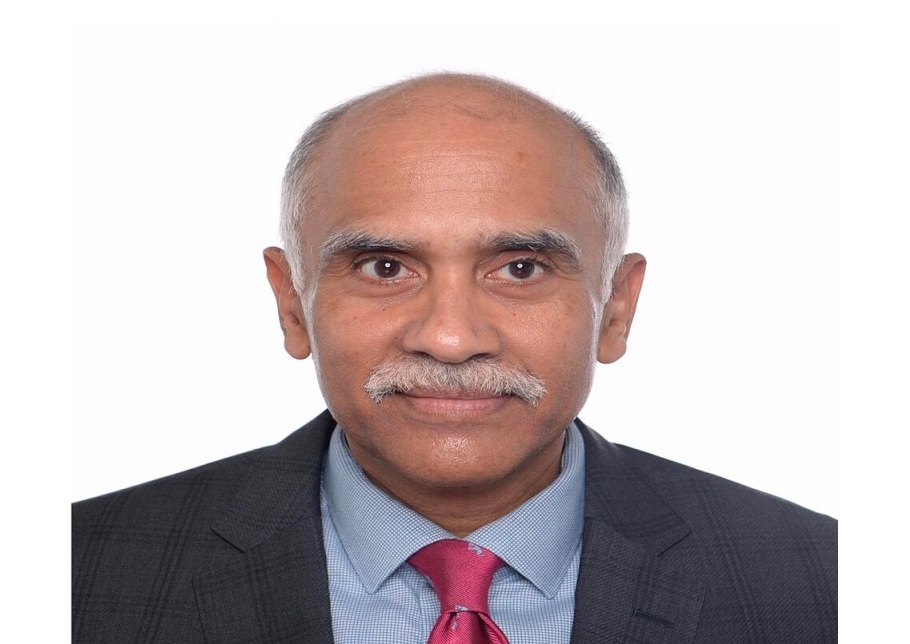
In a recent United Nations Security Council meeting, India vehemently opposed Pakistan’s characterization of certain groups in Balochistan with the term “Fitna al-Hindustan.” India’s Permanent Representative to the UN, Harish Parvathaneni, condemned this label as a state-sponsored attempt to spread misinformation, accusing Pakistan of using religious terms to foster animosity against India.
Parvathaneni argued that Pakistan’s narrative is part of a larger disinformation campaign designed to divert attention from its own political and economic issues. He claimed that the rhetoric serves to maintain anti-India sentiment rather than addressing the real challenges faced by Pakistan. This statement came in response to Pakistan’s official designation of militant factions in Balochistan as “Fitna al-Hindustan,” suggesting that these groups are part of foreign-backed destabilization efforts.
Furthering his critique, the Indian envoy also expressed concern over Pakistan’s military involvement in Afghanistan, specifically pointing out airstrikes that reportedly resulted in civilian casualties. Parvathaneni emphasized that civilian deaths are inexcusable, even under the pretext of counterterrorism, and called for accountability in such operations.
In addition to these criticisms, Parvathaneni took aim at Pakistan’s political and military leadership, arguing that scapegoating neighboring countries will not solve Pakistan’s internal problems. He highlighted the futility of blaming external forces for domestic issues, urging for a more introspective approach to governance and policy.
This exchange underscores the persistent tensions between India and Pakistan in international forums, where both nations frequently accuse each other of interference and activities aimed at destabilization. The ongoing disputes reflect deep-seated rivalries that continue to influence diplomatic interactions on the global stage.