
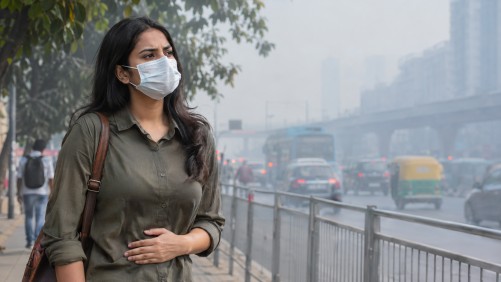
While air pollution is commonly associated with respiratory issues, its impact may extend to digestive health as well. Prolonged exposure to polluted air can trigger inflammation and disrupt the gut microbiome, highlighting the interconnectedness of the respiratory and digestive systems.
Particulate matter, particularly PM2.5, can enter the body through inhalation and potentially reach the bloodstream or be swallowed into the digestive system. This exposure can lead to inflammation and oxidative stress, affecting the balance of microorganisms in the gut. The gut microbiome, comprising millions of microorganisms, plays a crucial role in digestion and immunity. Disruptions to this balance can make the digestive system more vulnerable to disturbances, potentially causing symptoms like bloating, gas, abdominal discomfort, and irregular digestion.
The connection between the gut and lungs, known as the gut-lung axis, illustrates how environmental factors impacting respiratory health can also influence digestive and overall health. Immune responses and microbial activity link these systems, suggesting that maintaining a balanced gut microbiome is essential for wellbeing.
While avoiding air pollution entirely is challenging, certain lifestyle choices can help mitigate its effects on gut health. Monitoring air quality levels and reducing exposure during high pollution times is advisable. Avoiding outdoor exercise near busy roads and ensuring proper ventilation indoors can also reduce pollution exposure. Including fiber-rich foods in your diet, such as fruits, vegetables, and whole grains, supports digestive health by nourishing beneficial gut bacteria. Staying hydrated further aids digestion and maintains regular bowel movements.
Protecting gut health is crucial as air pollution’s potential effects on the body extend beyond the respiratory system. A balanced diet, physical activity, and awareness of pollution levels contribute to overall health. If digestive symptoms persist, consulting a healthcare professional is recommended to identify underlying issues rather than attributing them solely to pollution.