
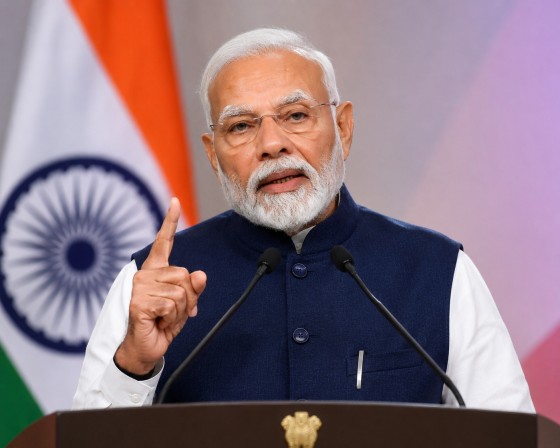
In a decisive move to address the issue of examination paper leaks, Indian Prime Minister Narendra Modi has announced the establishment of fast-track courts aimed at expediting justice for those involved in such malpractices. Emphasizing the government’s commitment to protecting the future of the nation’s youth, Modi declared that individuals compromising students’ futures “will not be spared.”
Taking to social media, Modi outlined the government’s directive for authorities to employ all possible measures to safeguard students’ interests. The fast-track courts form part of a comprehensive strategy to deliver quicker and more stringent penalties in cases of paper leaks, a step seen as crucial in restoring public faith in the examination system.
This announcement comes amidst ongoing student protests in New Delhi, sparked by repeated examination irregularities. The demonstrators have been vocal in demanding accountability for the leaks and have called for the resignation of the education minister. Tensions heightened following confrontations between protesters and police near Parliament, resulting in several injuries.
The protests, initially focused on examination issues, have grown to encompass broader grievances, including unemployment and limited opportunities for young people. Confidence in India’s examination system has been undermined by several incidents, most notably the leak of a national medical entrance examination paper, which necessitated millions of candidates to retake the test. Additional controversies, such as those surrounding high school examination evaluations, have compounded criticisms of the education sector.
By implementing these fast-track courts, the government aims to enhance accountability and renew trust in the examination process. This initiative is seen as a critical step in addressing systemic issues and ensuring a more reliable and fair educational framework for students across the country.