
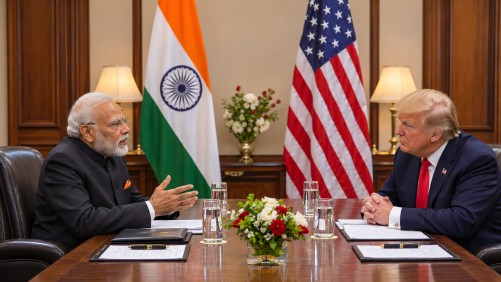
India and the United States are ramping up efforts to solidify a Bilateral Trade Agreement (BTA), with both nations striving to conclude the first phase of the deal soon. Recent discussions in New Delhi saw US officials engaging with their Indian counterparts to tackle key issues, including customs procedures and trade facilitation.
Despite shifts in the US political landscape, Indian officials are hopeful about reaching a consensus, with ongoing negotiations focusing on establishing a trade framework that benefits both economies. However, challenges persist, particularly concerning preferential tariff arrangements. This issue has become a stumbling block, as India seeks competitive tariff benefits to ensure fair market access for its exporters compared to businesses from other countries.
The discussions follow a framework for an interim trade agreement announced on February 7. However, its finalization has faced setbacks due to changes in the US tariff regime, prompted by a Supreme Court ruling that affected the legal basis of the proposed preferential tariff mechanism.
Trade experts suggest that the uncertainty surrounding US tariff policies and their use as a negotiating tool have contributed to delays in reaching an agreement. Although an initial framework is in place, resolving differences over tariff preferences remains critical for progress.
The negotiations for the BTA began after a meeting between Indian Prime Minister Narendra Modi and US President Donald Trump in February 2025. Both countries are aiming to strengthen economic ties, expand market access, and create new opportunities for businesses through a fair and mutually beneficial partnership.
As talks continue, both India and the US express a strong interest in finalizing the agreement, seeking to bolster economic cooperation and enhance trade relations between the two nations.