
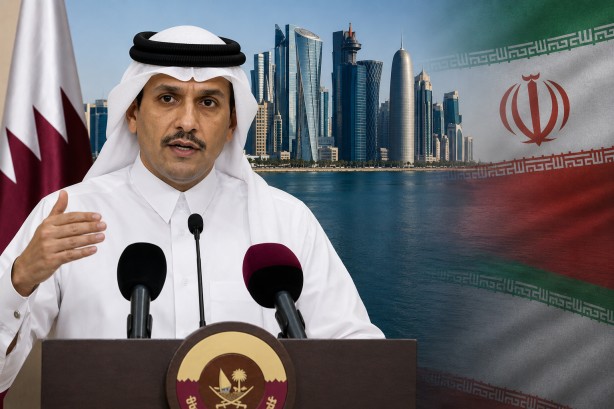
In a bid to resolve escalating tensions between the United States and Iran, Qatar has announced that mediators are making notable strides towards a peaceful resolution, potentially paving the way for a diplomatic breakthrough. This development comes amid global concerns over energy market stability. Recently, Emir Sheikh Tamim bin Hamad Al Thani of Qatar engaged in a phone conversation with US President Donald Trump, where they deliberated on the ongoing mediation efforts aimed at decreasing hostilities between Washington and Tehran and fostering a sustainable resolution through dialogue.
Qatar is collaborating with Oman and Pakistan to facilitate communication and propose exchanges between the conflicting parties. While President Trump has asserted that negotiations with Iran have commenced, the Iranian government has refuted claims of direct talks with the US, clarifying that interactions are happening solely through Oman. This diplomatic engagement is being closely watched given its potential impact on international relations and regional stability.
Meanwhile, senior officials from the United States have conveyed optimism regarding the progress made towards reopening the Strait of Hormuz, a critical conduit for the transit of global oil and liquefied natural gas. However, these negotiations are still in process, and no definitive accord has been reached. The strategic waterway’s reopening is crucial for alleviating disruptions in global energy supplies and ensuring the smooth flow of maritime trade.
Despite these diplomatic efforts gaining traction, security challenges in the region remain. The Strait of Hormuz continues to experience significant disruptions in shipping activities, exacerbated by recent incidents involving attacks on commercial vessels. These events underscore persistent threats to maritime trade, highlighting the urgent need for a resolution that can restore stability and security in this vital shipping lane.
The outcome of these mediation endeavors is anticipated to be a decisive factor in calming regional tensions and reinstating stability in one of the world’s essential energy corridors. As negotiations advance, the international community remains hopeful for a positive resolution that will benefit not only the involved nations but also the broader global economy.